

SECTION 1 — Introduction
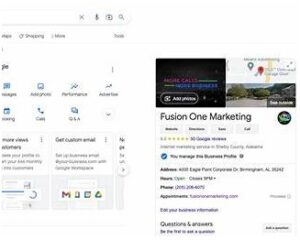
In today’s search-driven world, the digital landscape is noisier, more competitive, and more algorithmically curated than ever before. For local businesses of all types — from service providers to retail shops and B2B firms — one platform stands at the forefront of consumer decision-making:
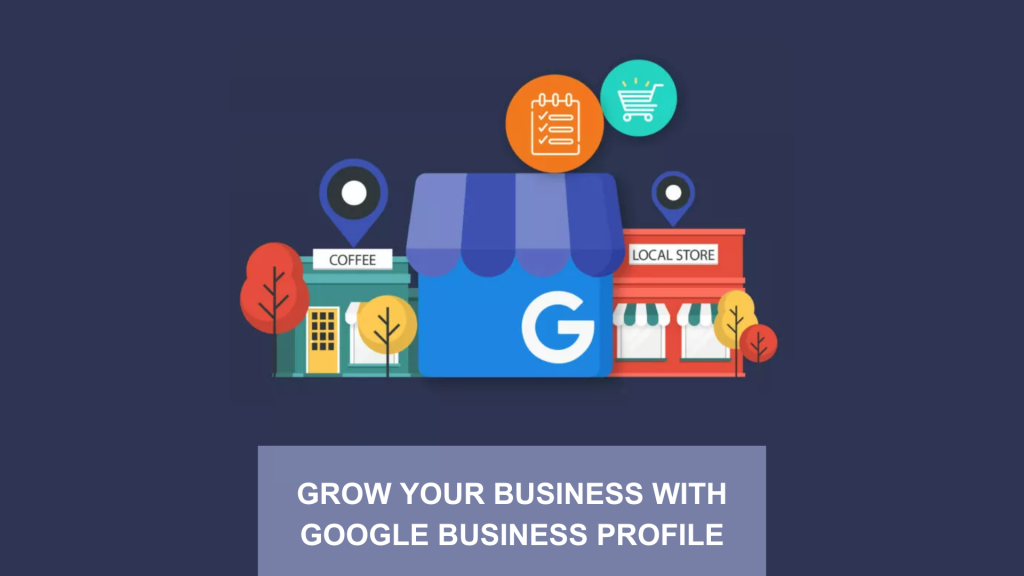
Google Business Profile (GBP).
For millions of consumers, a Google search is the first point of contact with a local business. And because GBP listings appear prominently in Google Search, Google Maps, and mobile “near me” queries, they often represent a business’s primary digital storefront — more visible than its website and more influential than its social media pages.
Businesses that dominate in GBP enjoy:
- Increased local visibility
- Higher trust signals
- More calls, visits, and conversions
- More Map Pack placements
- Better click-through rates
- Enhanced brand authority
Yet only a small percentage of organizations fully optimize their profiles. And fewer still incorporate competitive intelligence into their GBP strategy.
This is where reverse engineering competitor Google Business Profiles becomes indispensable.
By studying what the highest-ranking competitors in your market are doing — from their categories, reviews, and images to their update cadence and posting styles — you gain a blueprint for outperforming them.
This article will serve as a comprehensive, 7,000-word, step-by-step guide covering:
- What top GBP performers consistently do right
- How to analyze and deconstruct competitors’ profiles
- How to build a superior GBP based on competitive insights
- How to use visuals, workflows, analysis frameworks, and content strategy
- Mistakes to avoid and compliance considerations
- How to strengthen prominence, reviews, and engagement signals
- How to evolve your GBP strategy in 2026 and beyond
You’ll also see recommended visuals, charts, diagrams, and image examples to help you build a content-rich article or publish-ready blog post.
This is your guide to transforming GBP from a static listing into a strategic competitive weapon.
SECTION 2 — Why Google Business Profiles Still Matter in 2025–2026
Many digital marketers assume GBP is “already optimized” or that competition happens on websites and social media. But the truth is: local search behavior has shifted dramatically.
Consumers want immediacy, convenience, and trust — and Google’s ecosystem delivers exactly that.
✔ GBP is the most visible asset in local search
Studies consistently show:
- Local Pack results receive over 40% of all clicks for local-intent searches.
- Google Maps searches surpass 1 billion users monthly, making it the #1 discovery platform for local businesses.
- A well-optimized GBP can outperform a website in reach because it appears at the top of mobile search results.
✔ GBP is the foundation of local intent
When people search:
- “best accountants near me”
- “coffee shop open now”
- “emergency plumber 24/7”
- “IT support in my area”
Google prioritizes proximity and relevance — two factors GBP influences directly.
✔ GBP is a conversion engine
A properly optimized GBP directly drives:
- Phone calls
- Navigation requests
- Website visits
- Appointment bookings
- Product browsing (GBP Product Catalog)
- In-store visits
- Reviews and replies
This makes GBP not just a visibility tool, but a conversion tool.
✔ GBP influences trust & reputation
Consumers judge businesses by:
- Review volume
- Review sentiment
- Responses from the business
- Accuracy of hours
- Quality of photos
- Freshness of updates
Inconsistent or outdated GBP details create distrust and reduce Google’s willingness to rank your business.
✔ GBP is integral to AI-driven search
AI and generative search models pull data from structured sources — and GBP is one of the most structured business datasets on the web.
As AI search expands:
- Google SGE
- Bing Copilot
- ChatGPT Search
- Perplexity
- Apple’s generative search tools
GBP will increasingly feed business summaries, comparisons, and recommendations.
This means your GBP must be current, complete, and competitive — or risk being excluded from AI-driven discovery.
SECTION 3 — Key Visibility & Ranking Factors: What the Best GBPs Do Right
This section explores the core GBP ranking factors, backed by industry studies, real-world audits, and competitor analysis patterns.
Each factor includes:
✔ Explanation
✔ Why it matters
✔ What top competitors do
✔ What to capture when reverse engineering
FACTOR #1 — NAP Accuracy and Profile Verification
NAP = Name, Address, Phone Number
Why It Matters
Google must trust that your business information is:
- Accurate
- Consistent across the web
- Real-world verified via postcard, email, or phone
If competitors maintain clean, consistent NAP — and you don’t — they will outrank you regardless of content quality.
What Top Competitors Do
- Use the exact legal business name
- Maintain consistent NAP across all citations
- Eliminate duplicates or old locations
- Verify their profile promptly
- Avoid keyword stuffing (dangerous and penalized)
What to Analyze in Competitor Profiles
- Their business naming style
- Whether they stuff keywords
- Address formatting and consistency
- Whether hours and phone numbers match web listings
FACTOR #2 — Primary & Secondary Categories
Categories heavily influence:
- Which searches you appear for
- Your relevance to local intent
- Your ranking in the Local Pack
Why It Matters
Your primary category carries the most ranking weight. Secondary categories help you appear in additional queries.
What Top Competitors Do
- Select extremely accurate primary categories
- Add 1–4 secondary categories that align with offerings
- Avoid category overload
What to Capture When Reverse Engineering
- Competitor primary category
- Secondary categories
- Category combinations that appear frequently
- Gaps in your category strategy compared to theirs
FACTOR #3 — Attributes & Business Details
Attributes signal special features (e.g., wheelchair accessible, pet-friendly, online appointments).
Why They Matter
Attributes help Google match your business to long-tail, high-intent micro queries, such as:
- “pet-friendly coffee shop”
- “restaurant with outdoor seating”
- “IT service with online appointments”
- “women-led business in my area”
What Competitors Do Right
- Enable all applicable attributes
- Include accessibility, service, payment, and operational attributes
- Keep attributes updated as offerings change
What to Capture
- Which attributes competitors enable
- Which attributes you have but competitors lack
- Attribute opportunity gaps
FACTOR #4 — Business Description & Service List
Why This Matters
Your “From the business” description:
- Educates users
- Sends relevance signals
- Reinforces brand identity
- Helps with natural language search
What Top-Performing Profiles Do
They typically have:
- 200–750 word descriptions
- Customer-focused, benefit-driven language
- Clear description of services
- Light keyword usage without stuffing
- Strong value proposition
- A clear sense of authority
What You Should Analyze
- Competitor tone, structure, and length
- Use of value propositions
- Service list structure
- Which service keywords are present
FACTOR #5 — Photos & Visual Engagement

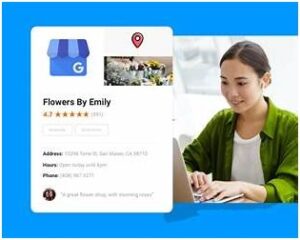
Photos affect:
- Consumer perception
- Engagement
- Trust
- Conversion
- Driving directions
- Click-through rates
Google rewards active, visually rich profiles.
What High-Ranking Competitors Do
They upload:
- High-quality storefront photos
- Interior images
- Team photos
- Product/service images
- Before/after images
- Lifestyle imagery
- Short videos
They also upload consistently, often monthly or weekly.
What to Capture When Reverse Engineering
- Number of photos
- Types of photos
- Posting cadence
- Visual branding styles
- Competitor use of videos
FACTOR #6 — Reviews, Reputation & Sentiment Patterns
Reviews are one of the strongest ranking and conversion factors.
What Matters Most
- Review quantity
- Review velocity
- Review recency
- Review average rating
- Review responses
- Review sentiment and keywords used by customers
What Competitors Do
- Respond to reviews quickly
- Have a steady flow of new reviews
- Address negative reviews professionally
- Use review prompts to guide customer language (legally)
What to Analyze
- How often competitors get new reviews
- How quickly they respond
- The tone of their responses
- Which services customers mention
- Themes in positive/negative sentiment
- Whether they use review request automation
FACTOR #7 — Posts & Content Updates
GBP Posts act like micro social media updates.
Why They Matter
Posts improve:
- CTR (click-through rate)
- Local relevance
- Freshness signals
- User engagement
- Conversion rates
What Competitors Do
- Post weekly or biweekly
- Use images in every post
- Highlight offers, events, or announcements
- Share behind-the-scenes content
- Promote products/services
- Use a consistent brand voice
What to Capture
- Competitor posting frequency
- Types of posts
- Visual style
- Engagement CTA style
- Seasonal post variations
FACTOR #8 — Q&A Engagement & Messaging
The Q&A section is massively underutilized — except by top competitors.
Why It Matters
It influences:
- Consumer trust
- Conversion
- Engagement
- Voice search results
- AI summaries that rely on structured answers
What Competitors Do Right
- Seed common questions
- Provide clear answers
- Monitor new questions
- Avoid unanswered questions (a trust killer)
- Enable messaging if feasible
What to Capture
- Common questions in your niche
- Competitor response tone
- Missed opportunities for FAQ-rich answers
FACTOR #9 — External Signals & Local Prominence
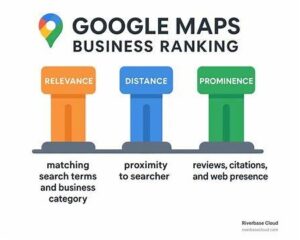
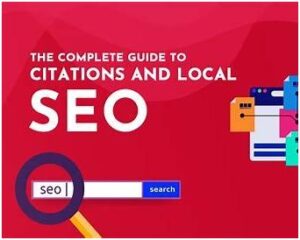
GBP ranking is influenced by off-GBP signals, including:
- Local backlinks
- Business citations
- Press mentions
- Brand searches
- Social profiles
- Local directories
Why These Matter
They reinforce trust, authority, and legitimacy.
What Competitors Do
- Maintain consistent citations
- Appear in reputable directories
- Generate brand mention spikes
- Earn local backlinks from partnerships, sponsorships, etc.
What to Capture
- Competitor citation sources
- Their linked directories
- Unclaimed citation opportunities
- Social presence quality
SECTION 4 — How to Reverse Engineer Competitor Google Business Profiles (Step-by-Step)
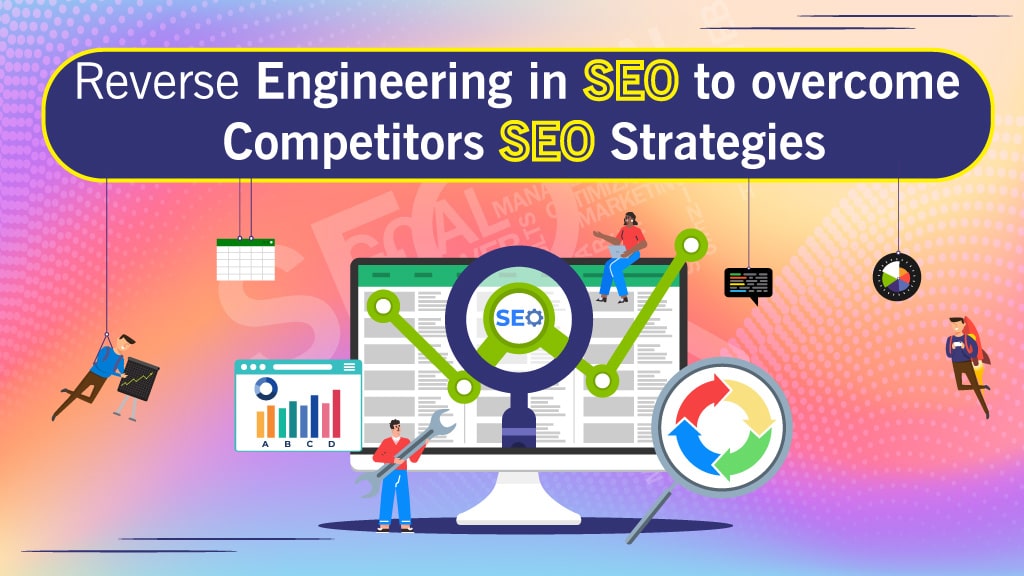
Reverse engineering requires structured analysis, not casual observation. This section provides a detailed guide to help you uncover exactly what the top 1% of competitors are doing — and how you can surpass them.
STEP 1 — Identify Your True Competitors
Your competitors are not only those offering the same product or service. They also include:
- Businesses ranking above you for target keywords
- Brands capturing local pack visibility
- Companies drawing customer clicks in your service area
- Inside-industry and adjacent-industry rivals competing for similar intent
How to Identify Competitors
Search your primary queries:
- “Your service” + “near me”
- “Your industry” + “your city”
- “Top-rated [service] nearby”
- “Best [service] + city”
Repeat at least 10–15 searches, varying:
- Query phrasing
- Time of day
- City vs neighborhood variations
- Desktop vs mobile
- Maps vs Search
What to Capture
- Top 3–10 recurring businesses
- Their placement (rank stability over time)
- Whether they dominate both Search + Maps
- Categories they appear under
These become your benchmark competitors.
STEP 2 — Build a Competitor GBP Audit Sheet
A structured audit reveals patterns you can leverage. You’ll track:
Core Data Columns
- Business Name
- Address & Phone
- Website Link
- Categories (Primary + Secondary)
- Attributes
- Hours & Holiday Hours
- Photos (count & type)
- Videos
- Services/Product Listings
- Reviews (count, recency, average rating)
- Review response patterns
- Q&A activity
- GBP Posts
- Description (“From the business”)
- External web signals
Pro Tip
Color-code patterns:
- Green: Competitor strengths
- Yellow: Neutral
- Red: Weak areas
You will use this for visual pattern detection.
STEP 3 — Screenshot & Archive Competitor Profiles
GBP profiles evolve frequently. To create historical comparisons, archive:
- Desktop version
- Mobile version
- Maps version
- Search version
Capture:
- Description
- Hours
- Photos
- Updates
- Reviews
- Posts
This becomes your evidence log.
STEP 4 — Analyze Patterns Across Competitors
Look for patterns in:
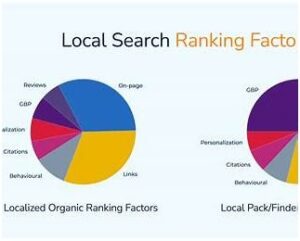
Categories
Which primary category appears most among top-ranked profiles?
Attributes
Are competitors using accessibility, service, or operational attributes you lack?
Description Patterns
Do they use:
- Longer descriptions?
- Benefits-focused copy?
- Location keywords?
- Service explanations?
Photos
- Count
- Quality
- Types (interior, exterior, team, product)
- Freshness
Reviews
- Monthly review velocity
- Sentiment themes
- Response tone
Posts
- Frequency
- Seasonal trends
- Promotions
- Offers
The goal isn’t to copy — it’s to identify superior patterns that contribute to ranking.
STEP 5 — Build Your Gap Analysis
Create a “You vs Competitors” comparison matrix.
Rate Yourself vs Competitors on:
- Photo depth
- Category optimization
- Review strength
- Posting frequency
- Description clarity
- Service list completeness
- Responding to reviews
- Q&A responsiveness
- Citation consistency
Highlight where competitors outperform you and where you have opportunities to leap ahead.
STEP 6 — Turn Insights into an Action Plan
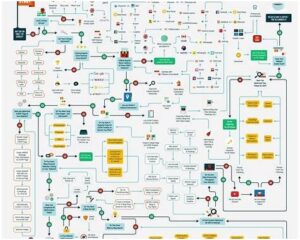
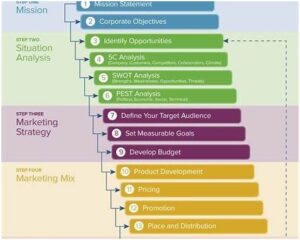
A detailed plan ensures you don’t just analyze — you execute.
6-Week Implementation Plan
Week 1 – Profile Cleanup
- Fix NAP issues
- Remove duplicates
- Correct categories
- Enable attributes
Week 2 – Content Foundations
- Rewrite business descriptions
- Add full service lists
- Optimize website landing pages
Week 3 – Visual Optimization
- Upload high-quality photos
- Add videos if possible
- Replace generic/stock images
Week 4 – Review Engine Activation
- Set up a review request system
- Train staff to ask for reviews
- Respond to past reviews
Week 5 – Posting Strategy Launch
- Publish weekly posts
- Share offers, updates, seasonal content
Week 6 – Engagement Expansion
- Seed Q&A
- Enable messaging
- Publish a mini FAQ
This creates a complete GBP transformation.
STEP 7 — Establish Continuous Monitoring & Quarterly Competitor Audits
Every 90 days:
- Re-check competitor rankings
- Monitor new categories, photos, or tactics
- Track your own improvements via GBP Insights
- Refresh opportunities as needed
The best businesses treat GBP like a living marketing channel.
SECTION 5 — Strategic Recommendations: What the Best Profiles Do (And You Should Too)
This section translates insights into battle-ready tactics.
STRATEGY 1 — Treat GBP Like a Social Media Platform
Top-performing businesses post:
- Staff introductions
- Behind-the-scenes photos
- New products
- Seasonal offers
- Before/after transformations
- Community involvement
GBP posts behave like micro social content, and fresh activity sends:
- Engagement signals
- Quality signals
- Local relevance signals
Action Steps
- Publish posts weekly
- Always include a photo
- Include a CTA (call-to-action)
- Post during peak search hours (weekdays 8 AM–6 PM)
STRATEGY 2 — Build a Review Flywheel
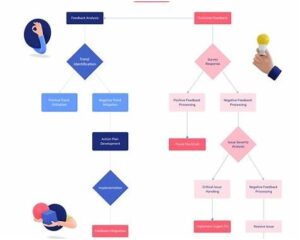
Top profiles don’t just “get reviews” — they engineer them.
Review Flywheel Components
- Ask customers at the right moment
- Provide a direct link
- Train staff in review etiquette
- Respond to all reviews
- Share positive reviews on social
- Turn negative reviews into service improvements
Velocity > Volume
A business with 300 old reviews will lose to a business with:
- 100 reviews
- But 10 new reviews every month
Velocity signals ongoing relevance.
STRATEGY 3 — Use High-Quality Photos Like a Branding Asset
Photos are the most visible component of your listing.
What Top Competitors Do
- Avoid stock photos
- Use real staff and real locations
- Maintain consistent brand colors
- Add “people-focused” images
- Publish before/after photos
- Use natural lighting
Recommended Photo Set
- Exterior (day + night)
- Interior (wide + close shots)
- Team portraits
- Product/service photos
- Lifestyle photos
- Short 10–20 second videos
STRATEGY 4 — Build Q&A Into a Local Search Knowledge Base
When you answer questions:
- Google extracts them for search
- Customers convert faster
- AI systems use them to build summaries
Action Steps
Seed your Q&A with:
- Hours and holiday schedules
- Parking instructions
- Service explanations
- Pricing disclaimers (if applicable)
- Booking or appointment rules
- FAQs from your website
This creates a hybrid help center within GBP.
STRATEGY 5 — Use GBP as a Conversion Funnel
Best-in-class GBPs aren’t just pretty — they convert.
How to Optimize Conversions
- Enable messaging
- Add appointment links
- Add product/service categories
- Use “call now” CTAs in posts
- Publish limited-time offers
- Use UTM tracking on links
- Direct users to high-converting landing pages
STRATEGY 6 — Align Website Landing Pages With GBP
Google compares:
- GBP categories
- GBP keywords
- Website content
- Reviews
- Service lists
Profiles rank higher when your site reinforces your GBP signals.
What to Do
- Create service pages matching GBP services
- Add schema markup
- Include NAP on every page
- Add embedded Google Maps
- Add images consistent with GBP
This creates a closed loop of relevance signals.
STRATEGY 7 — Earn Local Prominence Through External Mentions
Google rewards businesses that are:
- Linked
- Mentioned
- Cited
- Reviewed
- Published
Local prominence includes:
- Business directories
- Chamber of commerce sites
- Local news features
- Sponsorships
- Community partnerships
- Event participation
Action Steps
- Submit to top local directories
- Earn links through partnerships
- Sponsor small community events
- Publish press releases
- Engage local media
These signals directly influence Map Pack ranking.
SECTION 6 — Mistakes, Risks, & Compliance Issues
Reverse engineering is powerful — but mishandling GBP can lead to penalties.
MISTAKE 1 — Keyword Stuffing Your Business Name
Examples:
❌ “Best Emergency Plumber Detroit – Cheap & Fast Repairs”
❌ “Top-Rated Dental Clinic Near Me Affordable”
Google penalizes this heavily. Use your real business name only.
MISTAKE 2 — Copying Competitors Blindly

Reverse engineering ≠ duplicating.
Instead:
- Analyze
- Understand
- Adapt
- Improve
Steal the strategy, not the exact content.
MISTAKE 3 — Using Fake or Incentivized Reviews
Google removes fake reviews and may suspend listings.
Never:
- Pay for reviews
- Incentivize with discounts
- Use bots
- Ask employees to leave reviews without disclosure
MISTAKE 4 — Using Virtual Offices or Fake Locations
Google prohibits:
- Coworking spaces unless staffed
- UPS stores
- PO boxes
- Fake locations
Many businesses get suspended for this.
MISTAKE 5 — Ignoring Messaging, Q&A, or Reviews
Unanswered engagement = negative trust signal.
Top businesses respond to everything — even short messages.
MISTAKE 6 — Letting Your Profile Become Outdated
Google reduces visibility for:
- Incorrect hours
- Old photos
- Stale posts
- Unanswered reviews
- Missing attributes
GBP is not static — it’s a living ecosystem.
- Business Identity & NAP Data
| Field | Competitor Data | Insights |
| Name | PrimePoint Solutions | Clean, no keyword stuffing |
| Address | 123 Main Street, Suite 200 | Full address shown |
| Phone | (555) 987-1234 | Matches website |
| Website | primepointsolutions.com | Clean, secure, professional |
| Service Area | Citywide + 3 surrounding suburbs | Wide but realistic |
Why this matters:
Competitor maintains perfect NAP consistency — a foundational ranking signal.
- Categories
| Type | Category |
| Primary | Consulting Firm |
| Secondary | Business Services, Marketing Consultant, IT Service |
Insights:
- Strong, relevant secondary categories
- Multi-category coverage = maximum search surface area
Action for you:
Compare your primary category with competitors.
If theirs is more accurate to user intent, adjust accordingly.
- Attributes
Competitor Uses:
- Online appointments
- Accessibility options
- Woman-led business
- LGBTQ+ friendly
- Free consultations
Why this matters:
Attributes often trigger long-tail local searches.
Your opportunity:
Enable every attribute that genuinely applies.
- Description (“From the Business”)
The competitor uses a 420-word description, including:
- Problem statement
- Unique selling proposition
- Clear service breakdown
- Service area
- Team expertise
- Call-to-action
Sample excerpt (fictional):
“At PrimePoint Solutions, we help organizations overcome operational challenges through modern, data-driven strategies…”
Insights:
Long, polished descriptions outperform brief ones.
- Services & Products
Competitor includes 17 different services in GBP, each with:
- Short description
- Optional pricing info
- Category tags
Why this matters:
Google uses service lists for semantic matching in local intent queries.
- Photos
Competitor Photo Breakdown:
- 8 team photos
- 4 office interior photos
- 3 exterior photos
- 5 “action shots” of employees working
- 2 product/service displays
- 1 promo graphic
Insights:
- No stock photos
- Real people = higher engagement
- Frequent updates (every 3–4 weeks)
Action for you:
Upload a minimum of 20 photos, updated monthly.
- Reviews & Reputation
Stats:
- 143 total reviews
- 8 average rating
- Average of 6 new reviews per month
- 100% response rate
- Responses average within 24 hours
Competitor Strength:
Review velocity + quality + responsiveness = strong ranking signal.
Your Opportunity:
Build a review acquisition system, not occasional requests.
- Posts
Competitor Posts Weekly:
- Company updates
- Team photos
- Offers
- Event participation
- Educational tips
Action for you:
Create a weekly posting calendar.
- Q&A
Competitor has:
- 11 questions
- All answered
- 3 proactive, seeded questions
Insights:
Proactive Q&A improves trust and search relevance.
- External Signals
Competitor appears on:
- Chamber of Commerce
- 3 local directories
- 2 news mentions
- LinkedIn + Facebook active
These boost local prominence, a GBP ranking factor.
Final Audit Score (Example)
| Category | Score (0–10) |
| NAP | 10 |
| Categories | 9 |
| Description | 9 |
| Services | 10 |
| Photos | 8 |
| Reviews | 10 |
| Posts | 9 |
| Q&A | 8 |
| External Signals | 8 |
| Overall | 91/100 |
This fictional competitor profile illustrates what “strong GBP optimization” looks like.
SECTION 8 — Why Reverse Engineering GBP Is More Than SEO (It’s Competitive Intelligence)
Reverse engineering GBP gives you visibility into:
- Customer Expectations in Your Market
Through review sentiment patterns, Q&A questions, and service lists.
- Demand Trends
Popular services and products based on competitor highlights and reviews.
- Brand Positioning
How top competitors articulate:
- Value
- Expertise
- Benefits
- Experience
- Service Gaps
Competitors may fail to highlight services you offer.
- Pricing Clues
Through product lists or service descriptions.
- Visual Branding Styles
You can study:
- Photo styles
- Team imagery
- Tone
- Aesthetic choices
- Engagement Strengths
You learn:
- How fast they respond
- How often they post
- How they manage sentiment
Reverse engineering isn’t copying — it’s business intelligence that reveals:
- Market maturity
- Competitor sophistication
- Operational strengths/weaknesses
- Local customer behaviors
This elevates GBP optimization from simple SEO to strategic positioning.
SECTION 9 — Conclusion: Your New Competitive Advantage
After implementing the techniques in this article, your Google Business Profile can evolve into the most powerful asset in your local marketing ecosystem.
With Reverse Engineering, You Will Now Be Able To:
✔ Identify what top competitors are doing
✔ Analyze their strengths and weaknesses
✔ Build a more complete, engaging GBP
✔ Outrank them in the Local Pack
✔ Capture more reviews and engagement
✔ Strengthen trust signals
✔ Increase conversions
✔ Win more local visibility
GBP is no longer just a profile — it is:
- A reputation engine
- A conversion funnel
- A competitive advantage
- A local SEO powerhouse
- A business intelligence tool
Businesses that treat GBP as a living, evolving channel will continue to rise — while those that set-it-and-forget-it fall behind.
BONUS: Full GBP Optimization & Competitive Checklist
- NAP & Core Info
- Consistent name, address, phone
- Verified GBP listing
- Correct primary category
- Relevant secondary categories
- Complete attributes
- Profile Content
- 200–750 word business description
- Full service list
- Updated business hours
- Added holiday hours
- Photos & Visuals
- 20+ high-quality photos
- Monthly photo updates
- Real people in images
- Short videos uploaded
- Reviews
- Automated review request system
- Respond to all reviews
- Increase review velocity
- Encourage service-specific reviews (naturally)
- Posting Cadence
- Weekly GBP posts
- Include CTA
- Include images in every post
- Engagement
- Q&A seeded and maintained
- Messaging enabled
- Fast response time
- External Signals
- Local directory citations
- Social media activity
- Earned media & backlinks
- Competitive Audits
- Analyze top 5–10 competitors
- Update spreadsheet every 90 days
- Identify category/service/image gaps
- Track changes in review velocity