


Introduction
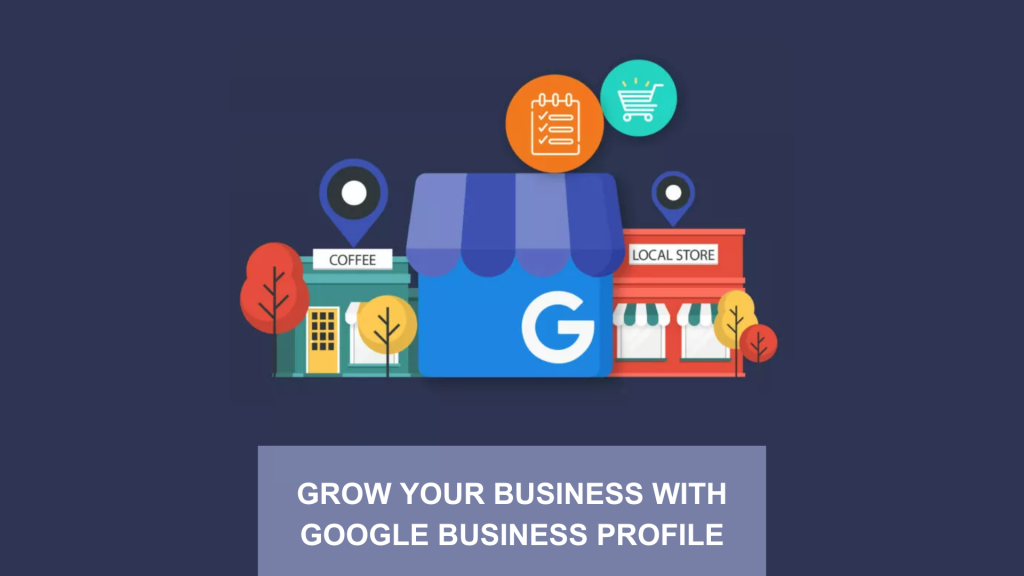
In today’s digital-first world, a properly managed Google Business Profile (GBP) isn’t just a “nice-to-have” — it’s a vital asset that drives visibility, credibility, and customer acquisition. For many local businesses, GBP is the first touchpoint a potential customer has: they type “coffee shop near me,” “plumber in Detroit,” or “dentist Clinton Township MI,” and GBP helps you show up.
But GBP comes with a hidden tension: while it offers powerful exposure, it’s also vulnerable. From unintentional missteps (like inconsistent business info) to deliberate sabotage (false competitor reports, fake reviews), your listing can be at serious risk. And once suspended — even temporarily — the consequences can be dramatic: lost leads, financial setbacks, and damage to your reputation.
That’s why we’re diving deep into proactive GBP defense. The aim of this article is to give you not just reactive advice (how to fix a problem), but a strategic, preventive playbook so you can safeguard your listing long-term, stay visible, and stay ahead of both unintentional errors and malicious competitor attacks.
Table of Contents
- Why GBP Defense Matters — The Stakes in 2025
- Understanding GBP Suspensions: Types and Triggers
- Core Compliance: Building a Bulletproof GBP
- Security & Access Management: Locking Down Your Profile
- Monitoring & Audit Workflows: Early-Warning Systems
- Defending Against Competitor Attacks and Sabotage
- What to Do If You Get Suspended: Preparedness & Reinstatement Strategy
- Diversification: Don’t Put All Your Leads in One Basket
- Long-Term GBP Hygiene: Maintenance, Documentation, and Best Practices
- Conclusion & Action Plan
Each section also includes practical checklists, visual aids you can adopt (or that your marketing team can design), and strategic recommendations to integrate into your ongoing marketing operations.
- Why GBP Defense Matters — The Stakes in 2025
The Importance of GBP for Local Businesses
- Top visibility in local search and maps. GBP is often the first thing a local searcher sees. For many businesses — service-based (plumbers, HVAC, lawyers), retail storefronts, restaurants — GBP can be the primary, or even sole, digital presence.
- Credibility and social proof. A well-managed GBP with consistent info, recent posts, photos, and reviews signals to users (and Google) that you are real and active.
- Lead generation engine. For many businesses, visible GBP = phone calls, walk-ins, bookings, and conversions.
When GBP goes down, so does your visibility — and often your revenue.
Why 2025 is Riskier Than Ever
According to recent analyses, global suspensions and removals of GBPs surged in 2025.
A few contributing trends:
- Stricter verification requirements: Google has updated its verification procedures — verifiable documentation, robust proof of physical presence, especially for service-based or home-based businesses.
- AI-driven quality checks: Google increasingly uses automation and AI to flag suspicious listings — minor inconsistencies can now trigger suspensions more aggressively.
- Increased competition & sabotage: As more businesses fight for top rankings, some resort to unethical tactics — misreporting competitors’ listings, fake reviews, false “this business doesn’t exist” complaints.
Given these risks, defending your GBP proactively is no longer optional — it’s essential.
- Understanding GBP Suspensions: Types and Triggers
A key step in building defense is understanding how and why GBP suspensions occur. There are different types of suspensions and many triggers — some obvious, others subtle.
Types of Suspensions
- Soft Suspension: The listing remains visible on Google Search and Maps, but you lose management or editing access. Often a warning sign. If ignored, soft suspensions can escalate.
- Hard Suspension: The most severe — your GBP is removed entirely from Search and Maps. Customers can’t find you via your GBP. This typically happens when Google deems your profile invalid (policy violations, unverifiable address, spam, etc.).
Soft suspensions may feel like “lesser evil,” but if you can’t manage your listing, it’s still a serious warning sign.
Common Triggers for GBP Suspension
Here are the most frequent causes of suspension — many of which are preventable with discipline and compliance.
| Trigger / Cause | Why it matters / What Google is looking out for |
| Keyword stuffing or promotional phrases in business name | GBP requires you to use only your official business name (as on signage and legal documents). Adding keywords like “Best Plumber Detroit” or “Joe’s Pizza – Best NY Style” is seen as spam. |
| Virtual office, P.O. Box, UPS-store mailbox, or unstaffed address | Google requires a real, physical business location if you list a storefront. Virtual/mailbox addresses are often disallowed — especially for service-based businesses. |
| Wrong or inconsistent business info (name, address, phone, website) | Any mismatch across website, GBP, citations, signage increases perceived risk. Google may flag as misleading or fraudulent. |
| Multiple listings for same business or overlapping service areas | Duplicate listings or multiple profiles from one business often trigger suspension. Instead, GBP expects single verified listing per business location (or a proper Service Area Business setup). |
| Frequent or conflicting edits | Making many changes in quick succession (name, address, categories, hours) — especially via multiple users — may appear suspicious. |
| Wrong category selection or over-categorization | Picking incorrect or too many categories may be interpreted as rank-gaming. Your primary category should reflect your core service. |
| Fake, incentivized, or manipulated reviews | Google’s review policy prohibits reviews tied to discounts/promotions or solicited unethically. Fake reviews degrade trust and risk manual penalties/suspension. |
| Using a suspended or low-quality Google account / unauthorized users | If someone with restricted or flagged Google account manages your GBP, your listing also becomes vulnerable. |
| Inadequate proof of physical presence (signage, storefront pics, staffing) | For storefront businesses, Google expects verifiable real-world presence: signage, entrance, staffed hours. Without this, the profile might be seen as fake. |
- Core Compliance: Building a Bulletproof GBP
The first line of defense is compliance. Think of it as building a fortress with a strong foundation — get this right once, and your risk goes way down.
🛠️ Key Compliance Checklist
- Use your true business name — no “fluff”
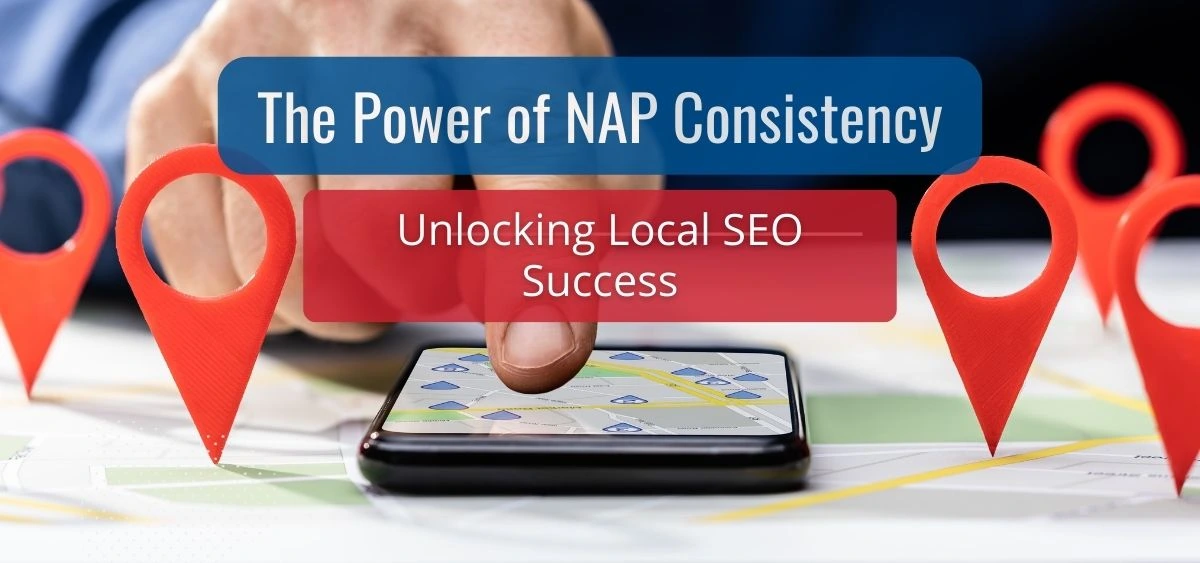
Your GBP naming should match exactly what appears on your storefront signage or legal documents. Avoid adding services, keywords, slogans, or location names. - Maintain accurate NAP (Name, Address, Phone) consistency everywhere
Ensure your website, social profiles, citations, directories, and GBP all list the same name, address, phone number, and website URL. - Use a legitimate physical address (or properly configured Service Area Business)
- If you operate a storefront or office — list the real address, ensure signage, ensure the storefront is accessible during working hours.
- If a home-based or service-area only business — hide your address from public view, set up service areas correctly.
- Select correct category and limited secondary categories
Choose a primary category that best describes your core business. Only add additional categories if directly relevant. Resist the temptation to add everything possible. - Avoid duplicate listings / overlapping service-area profiles
If you have multiple locations, verify each separately (with physical offices) or use Service Area Business settings properly. - Manage changes carefully — no bulk edits at once
If you need to update hours, categories, website, or address — do them one at a time, with enough buffer in between, to avoid triggering automated flags. - Use real contact info and business URL — NO burner phones or generic mailboxes
A real business phone number and website (not temporary or disposable) adds legitimacy. - Add high-quality photos of storefront, signage, interior, exterior, logo — reflect real-world presence
Photos should show clear signage, entrance, street view, inside office or store — basically proof that the business physically exists. - Avoid manipulative or incentivized reviews — encourage natural reviews ethically
Don’t offer discounts in exchange for reviews. Instead, request honest feedback after service via email/SMS or on receipts.
Visual Aid & Workflow Suggestion
You can create a “GBP Compliance Dashboard” — a simple spreadsheet or internal document your team uses to track key status indicators (name accuracy, NAP consistency, address proof, category, photos, reviews, admin users, recent edits).
This dashboard should include columns like:
| Field | Status | Last Verified | Notes / Action Item |
| Business Name | ✅ / ❌ | Date | E.g., matches signage? Needs update? |
| Address (public) | ✅ / ❌ | Date | Storefront address vs. service-area address? Need photos? |
| Phone Number | ✅ / ❌ | Date | Dedicated business line? |
| Website URL | ✅ / ❌ | Date | Live website? Matches citation? |
| Primary Category | — | Date | Appropriate category? |
| Secondary Categories | — | Date | Are they all relevant? |
| Photos (Exterior / Signage) | ✅ / ❌ | Date | Recent? High quality? |
| Reviews | — | Date | Last review, volume, quality, suspicious patterns? |
| Admins / Managers | List | Date | Do all users have good account standing? |
| Recent Edits | List of recent changes | Date | Were edits spaced out? Any big batch edits? |
By using such a dashboard and auditing quarterly (or monthly), you ensure compliance does not slip over time.
- Security & Access Management: Locking Down Your Profile
Beyond compliance, protecting your GBP from unwanted changes or unauthorized access is essential — especially if multiple people or third-party agencies have access.
Why Security Matters
- A compromised Google account — even one with minimal association — can taint your GBP.
- Competitors or malicious actors may try to trick Google’s “Suggest an Edit” or file false complaints to get your profile suspended.
- Uncoordinated edits by multiple admins can trigger automated flags (especially if edits are frequent).
Best Practices for Securing GBP
- Limit access — only trusted, necessary users
Maintain a lean admin/user list. Remove inactive users or those no longer involved. - Use dedicated, secure Google accounts — with 2FA enabled
Prefer dedicated business Google accounts (not personal) to manage GBP. Enforce strong passwords, two-factor authentication (2FA), and avoid shared or disposable accounts. - Track ownership and user history — document who has access and when changes were made
Keep an internal log (e.g., in your GBP Compliance Dashboard) of users, access dates, and recent changes. - Be cautious when delegating to marketing agencies or third parties
If you give an agency access, ensure their account is in good standing and that they commit to best practices. - Set internal approval workflows for edits
Instead of letting anyone make changes, require a second person to review and approve major edits (name, address, categories, etc.). - Monitor Google alerts and notifications for your GBP
Google sends alerts when suspicious edits occur or when verification is required. Stay on top of those.
By treating your GBP like a sensitive business asset — with access control, audit logging, and review workflows — you reduce the risk of accidental or malicious changes that could trigger suspension.
- Monitoring & Audit Workflows: Early-Warning Systems
Prevention is easier and cheaper than recovery. That’s why setting up regular audits and early-alert systems is critical.
Monthly / Quarterly GBP Audit — What to Check
Using the Compliance Dashboard from above, schedule audits at regular intervals (e.g., monthly or quarterly). For each audit, verify:
- NAP consistency across all major platforms (website, citations, social, Yelp, Bing Places, etc.)
- No duplicate listings exist
- Photos (exterior, signage, interior) are up-to-date and reflect current reality
- Your primary and secondary categories remain accurate for your business services
- Recent edits — ensure no one has made multiple major changes in quick succession
- Active review stream — ensure recent genuine reviews and respond to them professionally
- Admin list — make sure no unauthorized users, and that all accounts are in good standing
Automated Monitoring — Tools & Alerts
To streamline monitoring (especially if you manage multiple GBPs), consider:
- Setting up a simple spreadsheet or internal dashboard as above, shared with key team members
- Using a third-party GBP monitoring tool (or internal script) to check for unauthorized changes — e.g., changes to address, phone, hours, photos — and flag them immediately
- Scheduling an internal “GBP review day” (monthly or quarterly) — assign a responsible person for GBP integrity
Example Workflow Diagram
Below is a simplified workflow you can adapt — to integrate into your internal SOPs (Standard Operating Procedures):
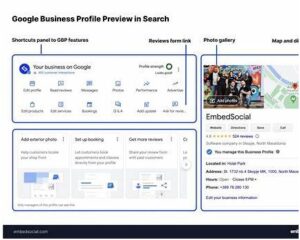

Suggested Steps:
- Monthly reminder triggers
- Assigned team member runs the checklist — reviews each compliance item
- Document findings: pass/fail for each item
- If any “fail” — open an “action ticket” and schedule fixes
- Once fixes done — log update and date
- Maintain audit history for accountability
Over time, this creates a robust audit trail — valuable if you ever need to prove legitimacy (e.g., during reinstatement).
- Defending Against Competitor Attacks and Sabotage
Unfortunately, it’s not just missteps — malicious actors can and do target GBPs. Whether it’s fake reports, bogus reviews, or mass “suggested edits,” you need a strategy to defend proactively.
How Competitor Attacks Happen
- Competitors may falsely claim your business doesn’t exist (using Google’s complaint/flagging process), prompting Google to suspend your GBP until verified.
- Fake negative reviews or review bombs (multiple 1-star reviews) meant to harm your reputation.
- Malicious “suggest edits” — changing address, hours, categories, or other data to undermine your eligibility or confuse customers.
Given that Google’s systems rely heavily on automation, these false reports or edits can succeed — especially if your listing is new, your activity sparse, or your compliance isn’t rock-solid.
Strategies for Defense & Mitigation
- Enable alerts — check email/notifications linked to GBP frequently
If you get any notice of edit suggestions, complaints, or verification requests — act immediately. - Keep business documentation ready and organized
Maintain scanned copies of: business registration, license, lease, utility bills, signage photos, and more. If flagged, having evidence ready can speed up reinstatement. - Encourage steady stream of authentic customer reviews
A healthy history — multiple reviews over time — shows credibility. Review bombs or mass negative reviews will stand out less if you already have strong positive momentum. - Respond to reviews (good and bad) — publicly and professionally
When you reply to reviews (especially negative ones), you show that you’re an active, legitimate business. It also demonstrates engagement to both users and Google. - Monitor “Suggest an Edit” activity — review changes before they go live (if possible), or at least review your listing weekly for unexpected edits.
- If attacked, submit a reinstatement request with full documentation — and include a clear explanation plus proof of legitimacy
The more prepared you are — documents, photos, evidence of business existence — the more likely Google will reinstate your GBP. - Log all suspicious activity internally — date, time, what changed, screenshot before/after, any complaint forms submitted
Build an “incident log” that helps you track and, if needed, escalate or appeal.
Real-world Example (Hypothetical Scenario)
Suppose you run “Midtown Plumbing Solutions.” One morning you log in and find your GBP flagged as “Does not exist.” You receive an email from Google stating there was a complaint. Within minutes, you:
- Check your internal documentation folder — you locate your business license, lease with suite number, recent utility bill with address, and exterior signage photos.
- You also see that a competitor left several 1-star reviews yesterday — obviously fake. You flag them for removal.
- You immediately submit a reinstatement request via Google’s appeals tool (see next section), attaching all proof documents and a short explanation of the false report and your legitimacy.
- Meanwhile, you publicly respond to all recent reviews (positive and negative), encouraging real customers to leave honest reviews (e.g., after service).
- Internally, you log the event: date, what happened, who reviewed, and note to increase monitoring cadence to weekly.
By having a plan and documentation ready — not scrambling — you increase your chances of fast recovery and minimize downtime.
- What to Do If You Get Suspended: Preparedness & Reinstatement Strategy
Even with the best precautions, suspensions can still happen — whether because of a slip, a misunderstanding, or a malicious act. What separates successful recovery from lost visibility is preparation and a disciplined reinstatement approach.
Step-by-Step Reinstatement (Pre-Prepared)
- Do not panic — assess what changed or may have triggered it
Look at recent edits, changes, or complaints. Check emails or Google notifications for any hints. - Gather evidence of legitimacy: Documentation & Proof
Prepare:- Business registration or incorporation documents
- Business license or permit
- Utility bills (with matching address)
- Lease agreement (for storefront or office)
- Clear photos of exterior signage, entrance, storefront, street view, interior, etc.
- A matching business website (with consistent NAP)
- Use the official Google Business Profile Appeals Tool to submit an appeal
- Select the suspended profile in the tool
- Fill out required details
- Upload evidence before submitting — note: there’s usually a time limit (e.g., within 60 minutes of starting the submission) to attach evidence. Google Help+1
- Provide a clear, honest explanation of your business, what may have triggered the suspension, and why you believe the suspension was an error or due to false reporting
- Be patient — and follow up if needed
Review wait times have increased in 2025 due to higher volume. Some reinstatements may take several days or even weeks. - Once reinstated — audit entire profile, remove problematic content, update info, spacing out changes
Use the compliance dashboard to check every field, update what’s needed, and avoid making many edits back-to-back. - Log the reinstatement — date, what changed, what evidence submitted, status — for future reference
Why Preparedness Matters
- Speed matters: The longer your GBP remains suspended, the more business you may lose (leads, calls, foot traffic).
- Clarity helps Google: A clean, evidence-backed appeal that addresses potential issues increases the chance of reinstatement. Random appeals or repeated requests without proof are often rejected.
- Reduces repeat risk: Fixing root causes (wrong address, duplicate listings, fake reviews) improves GBP health long-term.
- Diversification: Don’t Put All Your Leads in One Basket
Relying solely on GBP for leads is risky. As the 2025 surge in suspensions demonstrates, even compliant businesses can get flagged. The smart move is to diversify your lead generation channels — so your business doesn’t collapse if GBP goes down.
Alternate Channels to Build & Maintain
- Website + Organic SEO: Build a solid website, optimize for local SEO (content + on-page + backlinks), target keywords beyond just “near me.”
- Social media presence: Facebook, Instagram, LinkedIn (depending on business type), to engage and reach customers.
- Other business directories and citation platforms: Yelp, Bing Places, Apple Maps, industry-specific directories, local chamber directories, etc.
- Paid advertising (Search + Social + Local Services Ads): While GBP helps for organic visibility, supplement with paid ads so you’re not 100% reliant on it.
- Email / SMS marketing: Collect contacts from customers, send newsletters, promotions — a direct line to your audience.
- Referral & loyalty programs: Word-of-mouth remains powerful. Encourage referrals, repeat business, and brand loyalty to reduce dependence on Google.
Why This Matters
If your GBP disappears temporarily — you still have channels to reach customers. Over time, a diversified marketing strategy reduces risk, stabilizes lead flow, and builds brand independence.
- Long-Term GBP Hygiene: Maintenance, Documentation, and Best Practices
Maintaining GBP integrity isn’t a one-time job — it requires discipline, routine, and good documentation.
Quarterly / Annual Best-Practice Rituals
- Quarterly Audit — run your compliance dashboard, check for inconsistencies, update photos, verify NAP, review user/admin access.
- Annual Documentation Update — refresh business licenses, lease agreements, utility bills; store scans securely.
- Review User Access — ensure only current, active team members/agencies have access; remove any outdated users.
- Engagement Routine — make it a habit to respond to reviews (positive or negative), post updates (photos, offers, events), update hours for holidays or seasonality.
- Backup Copies of Evidence — keep scanned copy of all proof (licenses, photos, address verification) in a secure folder/cloud (and ideally offline backup).
- Incident Log — any time there is an issue: note date, what changed, what’s the effect, who handled it, resolution status.
Internal Policy Suggestions for Teams / Agencies
If you run a business with multiple locations, a marketing team, or an agency managing GBP:
- Create an Internal GBP Management SOP: include naming guidelines, change-approval workflows, documentation requirements, access protocol, edit frequency limits.
- Use a Change Request Form internally before any GBP edit — who requests, what change, why, who approves.
- Set role-based access — only certain trusted staff can make major edits; others can only suggest or request changes.
- Maintain a “GBP Document Vault” — organized storage of all legal docs, photos, proofs, evidence in case of audit or reinstatement.
By institutionalizing GBP management — not leaving it to ad-hoc or “whenever someone thinks of it” — you transform it from a risk to a managed, strategic asset.
- Conclusion & Action Plan
Your Google Business Profile is one of your most valuable — but also most vulnerable — digital assets. In 2025, with stricter verification, AI checks, and increased competition (plus malicious actors), the risk of suspension is real.
But with proactive defense — compliance, security, monitoring, documentation, and diversification — you can significantly reduce that risk. More importantly, you can bounce back quickly if something does go wrong.
✅ Immediate Action Plan for Business Owners
Within the next 30 days:
- Build a GBP Compliance Dashboard (spreadsheet or document) and run your first audit
- Review and rationalize admin/user access — remove unnecessary or risky accounts
- Assemble your Document Vault: gather business registration, license, lease, utility bills, and take high-quality photos of storefront/signage
- Establish a change-request workflow for GBP edits in your business
- Set up a diversified marketing plan — website SEO, social media, directory citations, email/SMS, and paid ads — to reduce over-reliance on GBP
After that:
- Schedule quarterly audits and reviews
- Maintain documentation and logs
- Keep consistent engagement with customers (reviews, interaction, posts)
- Monitor your GBP regularly — ideally weekly or after any change
Why This Approach Works
- You minimize risk by staying compliant and avoiding the common triggers that lead to suspension.
- You increase resilience — if someone attacks your GBP maliciously, you’re prepared with documentation and evidence.
- You reduce reliance on a single channel — a diversified marketing approach keeps leads flowing even if GBP is disrupted.
- You build credibility and legitimacy — regular reviews, real photos, accurate info all reinforce trust with Google and customers.
Bonus: Visuals & Assets You Should Create / Maintain
Below are suggestions for visuals, templates, and assets your team should build to support a long-term GBP defense strategy:
- A GBP compliance checklist spreadsheet / dashboard (columns: name, address, phone, website, category, photos, admin users, last audit date, etc.)
- A change-request form template for any major edits to GBP (who, what, why, approval)
- A document vault folder structure (e.g., Legal_Docs, Utility_Bills, Photos, Lease_Agreements, Review_Records)
- Photo templates: storefront exterior, signage, entrance, interior workspace, staff photos (if applicable)
- Incident log template — date, event, action, resolution, notes
- Audit schedule calendar (quarterly / monthly recurring tasks)
You can even embed this as part of your internal operations or SOP manual.
Final Thoughts
The truth is: GBP is powerful but fragile. And in 2025 — with Google tightening its rules and competitors becoming more aggressive — it’s never been more important to treat it like the strategic, high-value asset that it is.
By building a proactive defense: one grounded in compliance, security, documentation, and diversified marketing — you’re not just putting out fires. You’re building resilience. You’re safeguarding your business’s visibility, credibility, and future.
If you implement even half of the strategies above — compliance checklist, documentation vault, monitoring routine, diversified marketing — you’ll dramatically reduce the odds of a suspension derailing your leads.
So treat your GBP like a fortress, not a convenience. Because your business deserves nothing less.