

Introduction
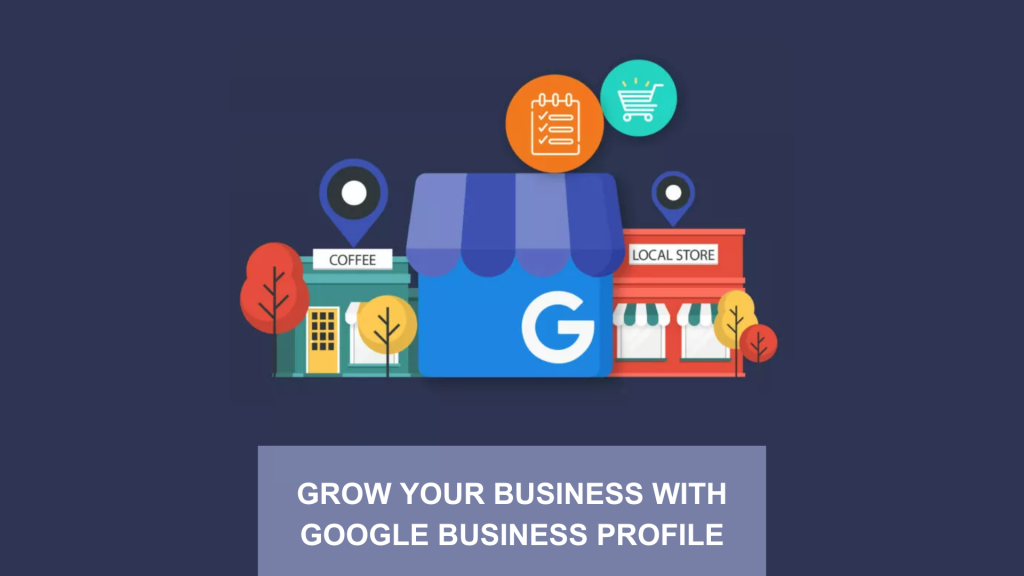
In a world where consumers turn to search engines — especially Google — to find local businesses nearby, first impressions are formed in seconds. For most local businesses, the first thing a potential customer sees isn’t your website, but your Google Business Profile (GBP). That little card on Google Search or Maps — with your name, address, hours, photos, and reviews — is often your digital storefront. Get it right, and you attract customers. Get it wrong… and your visibility, reputation, and — ultimately — revenue could take a severe hit.
But many business owners treat GBP like a “set it and forget it” tool. They invest once — claim the listing, write a description, maybe add a few photos — and never revisit it. That’s a mistake. Because GBP is dynamic and public: anyone — satisfied or disgruntled customers, competitors, bots, hackers — can suggest edits, post fake reviews, or even attempt to hijack your listing.
That’s why proactive GBP defense isn’t optional. It’s essential. In this article, we’ll explore why—and how—every local business should treat GBP security and reputation protection as a core part of their marketing and operational strategy.
Table of Contents
- What exactly is a Google Business Profile (GBP) and why it matters
- The risks: What can go wrong when you neglect GBP defense
- Real-world effects on visibility, reputation, and business
- The anatomy of a proactive GBP-defense strategy
- Monitoring & alerts
- Review management
- Profile hardening & access control
- Incident response plan
- Content and reputation-building
- Step-by-step workflow example
- Strategic advice & best practices for 2025 and beyond
- Conclusion — Why defense is a growth play
- What exactly is a Google Business Profile (GBP) — and why it matters
What is GBP
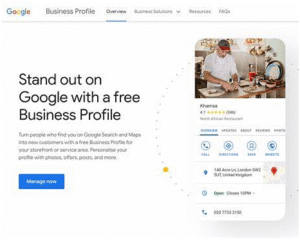
- GBP (formerly known as Google My Business, or GMB) is a free tool from Google that allows any local business with a physical location (or in many cases a service area) to create and manage a business listing. The listing typically includes: business name, address, phone number, hours, website link, photos, categories, and — critically — customer reviews.
- When a user searches for your business name, or a service + location (e.g., “coffee shop near Detroit”), Google can surface your GBP in the “Local Pack” (the map + 3-businesses box), or in Maps results.
- In short: GBP acts as your digital storefront, often more visible and immediate than your own website — especially for mobile users or people searching locally.
Why GBP matters for discoverability, trust, and conversions
- Local SEO & visibility: Google’s local ranking algorithm uses GBP data (address, categories, reviews, completeness) as key signals. An optimized and well-maintained GBP improves chances of appearing in the Local Pack — a high-value position for capturing discovery-phase customers.
- First impression & trust: For many customers, GBP is the first touchpoint: they look at photos, reviews, hours, maybe even menu or services. A complete, accurate, and updated profile builds confidence.
- Convenience: People can call, get directions, check hours, or read reviews — all directly from GBP. That reduces friction and increases conversion potential.
- Digital real estate control: GBP listing occupies valuable space on Google. If your GBP is accurate and authoritative, you control that space. If not — or if it gets hijacked — rivals or negative content could take over.
Given all this, GBP is not just a “set and forget” listing; it’s a central asset in your local marketing and lead generation engine.
- The Risk Landscape: What Can Go Wrong When You Neglect GBP Defense
When left unprotected — or passively managed — GBP can become a liability. Below are the main threats local businesses face, with real-world examples and consequences.
2.1 Fake, malicious, or low-quality reviews
- Fake negative reviews — sometimes posted by malicious competitors, bots, or disgruntled non-customers — can distort your reputation. They can reduce your star rating, scare away potential customers, and erode trust. Research shows that fake reviews remain a pervasive problem: deceptive reviews reduce the credibility of review platforms and harm businesses.
- On the flip side, “fake positive reviews” (paid or incentivized) may seem appealing but come with major risks — from violating terms to potential reputational or legal consequences.
- Reviews significantly influence consumer decisions. A misleading review — negative or overly positive — can skew perception, reduce conversions, or attract scrutiny once customers realize the review doesn’t reflect reality.
2.2 Unauthorized edits, hijacking, or profile sabotage
- GBP is editable — not only by owners, but sometimes by third-party users (through suggestions), and in worst cases, by malicious actors. That means business hours, address, phone number, categories, or even ownership status can be changed.
- A hijacked GBP — where a bad actor claims ownership — can lead to suspension, wrong information being displayed, or even theft of business identity and leads.
- Even automated changes (for instance, Google pulling in inconsistent data from third-party sources) can corrupt your listing if not reviewed regularly.
2.3 SEO & Local visibility consequences
- If your GBP becomes inaccurate, incomplete, or flagged, you could lose “local pack” visibility — drastically reducing the chance that customers discover you organically when searching locally.
- In extreme cases, a hijacked or suspended GBP can cause near-total loss of leads coming through Google — which for many businesses is their main source of inbound customers.
- Even if not suspended, low ratings or mounting negative/fake reviews can degrade reputation: customers may choose competitors, and Google may deprioritize your listing when selecting among businesses.
In short, neglecting GBP is not just risky — it’s a gamble with your visibility, reputation, and revenue.
- Real-World Effects: Visibility, Reputation, and Business Loss
To fully understand what’s at stake, it helps to look at documented consequences of GBP attacks, fake reviews, and poor defense. Here are some real-world implications:
- A study by a reputation-management firm found that a small number of negative/false items in first-page search results can drive away a large portion of potential customers. For example, just four negative search results (reviews, news articles, social posts) can scare off up to 70% of leads.
- In a detailed case, an online retailer lost substantial conversions when their product’s rating dropped from 4.8 to 3.2 due to 8 fake negative reviews — reducing conversions by 69%. Once fake reviews were removed and positive authentic ones restored, sales increased by 25%.
- For service businesses, a compromised GBP can lead to customers showing up at the wrong address, calling old or incorrect phone numbers, or assuming the business is closed — leading to lost visits and poor user experience (and Google flags for poor user satisfaction).
- In many industries — hospitality, retail, home services, professional services — local presence and reputation is everything. Losing GBP visibility can mean sliding behind competitors faster than you realize.
The bottom line: When you skip GBP defense, you’re not just risking “some bad reviews.” You’re risking real business losses, lost leads, and long-term damage to your brand’s credibility.
- The Anatomy of a Proactive GBP-Defense Strategy
Defending GBP isn’t a one-time fix. It’s an ongoing process — a suite of practices that turn your GBP from a passive listing into a actively managed asset. Here’s the structure of what a robust defense strategy looks like.
4.1 Monitoring & Alerting
Why it’s needed: Because GBP can be edited by a range of actors (suggested edits, reviews, photos), and because threats (fake reviews, false edits, hijacks) can arise at any time — you need to see when changes happen.
What to monitor:
- Content — new reviews (positive & negative), responses, Q&As, new photos.
- Listing metadata — business name, address, phone number (NAP), hours, categories.
- Ownership status — whether profile ownership is still correctly assigned.
- Google’s “suggested edits” queue or changes published without approval.
Tools & processes:
- Use manual checks (weekly or biweekly) of GBP dashboard.
- Employ third-party monitoring/reputation-management tools or services that alert you to suspicious activity or changes. (Some “GBP watchdog” services exist for this reason.)
- If your business has multiple locations, consider using the GBP API (if eligible) or centralized dashboards to monitor all listings systematically.
What proactive monitoring prevents: undetected sabotage, inaccurate data making it to public search results, late response to fake reviews, potential hijacking or suspension.
4.2 Review Management & Reputation Protection
Why it matters: Reviews are the social proof that customers rely on — but they’re also vulnerable to manipulation. Fake negative reviews, fake positive reviews, review inflation/deflation by competitors — all can undermine trust and SEO.
Key components:
- Review flagging & removal: As soon as a suspicious review appears, flag it via GBP (three-dot menu → “Flag as inappropriate”), or escalate to Google support if it violates policy.
- Timely review response: Even legitimate negative reviews should be addressed professionally and promptly; it shows prospective customers that you care about feedback. (While not always perfect, addressing genuine feedback can mitigate damage.)
- Encourage real reviews: Encourage satisfied customers to leave reviews — preferably shortly after a good experience. This helps drown out noise from fake reviews and builds authentic social proof.
- Avoid “fake positive reviews”: While tempting, buying or incentivizing fake positive reviews is risky — both ethically, reputationally, and legally. It can backfire severely and is discouraged.
- Sentiment & pattern analysis: Over time, track review patterns. If you see sudden spikes in negative reviews, or repeated reviews with similar wording — that may indicate organized attacks or fake-review campaigns. More advanced businesses might even leverage AI or third-party detection tools.
4.3 Profile Hardening & Access Control
Goal: Make it hard for unauthorized actors — competitors, bots, scammers — to tamper with your listing.
Best practices:
- Use strong, unique passwords for the Google account(s) linked to GBP; don’t share login with untrusted parties.
- Limit administrative access: only grant GBP ownership or manager rights to trusted employees or partners. Avoid giving broad access to external vendors by default.
- Periodically audit who has access — especially if staff leave or vendors change.
- Verify ownership of profile and, if possible, link to your website through Google Search Console (or rely on other verification mechanisms) to help prevent unauthorized ownership claims.
- Maintain complete and accurate NAP (Name, Address, Phone), business hours, categories, and profile info — incomplete or outdated profiles are more vulnerable to automatic incorrect updates or third-party “cleanup” edits.
4.4 Incident Response & Recovery Plan
No defense strategy is perfect. Mistakes, malicious attacks, or Google glitches can still happen. A good plan anticipates this and lays out steps for quick recovery.
Elements of a solid incident response plan:
- Detection triggers: Established in your monitoring — e.g., alert when negative reviews surge, or when key listing info changes.
- Immediate response protocols: For a malicious edit — revert info and re-verify ownership; for fake reviews — flag and document; for hijacking — escalate via Google’s “request ownership” or “report” flow.
- Communication plan: If negative reviews or reputation issues become public (social media, review sites), respond transparently and reassure customers. Also, publicly encourage genuine satisfied customers to post their experiences.
- Backup & documentation: Keep records of communications, proof of legitimate customers (in case you need to appeal fake reviews), and take periodic snapshots (screenshots) of GBP as “baseline”.
- Continuous improvement: After each incident, review what happened and tighten processes or controls to prevent recurrence.
4.5 Reputation Building & Positive Content Strategy
Defense alone isn’t enough. To truly thrive, you also need to build positive momentum — flooding GBP, and associated web presence, with real value, trust signals, and social proof.
Recommended tactics:
- Encourage happy customers to leave reviews (via automated follow-up email/SMS, in-store signage, after service, etc.)
- Add high-quality photos regularly — of your business, team, products, services — to reflect authenticity and build trust.
- Use posts (where GBP supports them) to share updates, promotions, events — signaling activity and freshness.
- Expand digital footprint beyond GBP — maintain a website, local directory listings, social media, and other citation sources to reinforce your legitimacy. This helps with “prominence” in Google’s local ranking algorithm (which considers web presence, citations, links, etc.).
- Periodically solicit feedback from customers, ask for long-form testimonials or case studies, and consider occasionally publishing content (blogs, news, service updates) that showcases expertise and reliability.
- Step-by-Step Workflow — Example of Proactive GBP Defense in Action
Here’s a sample monthly workflow a small local business might follow to implement proactive GBP defense. Think of it as a “playbook”:
| Week | Task | Purpose |
| 1 | Log into GBP dashboard, check for suggested edits, verify business info (hours, phone, address, categories) | Catch unauthorized edits or outdated info early |
| 1 | Review new reviews: respond to legitimate feedback; flag suspicious/fake reviews; document flagged reviews (screenshots) | Maintain reputation, prompt action on false reviews |
| 1 | Review user-submitted photos / Q&A — accept, reject, or respond if needed | Ensure visuals and info align with your business reality |
| 2 | Send follow-up to recent customers (via email/SMS) asking for honest review if they were satisfied | Generate fresh real reviews, dilute impact of negative/fake reviews |
| 3 | Audit access to GBP: confirm who has owner/manager rights; remove unnecessary access | Tighten security, reduce risk of unauthorized edits |
| 3 | Snapshot current listing (take a full-page screenshot of GBP as baseline) | Documentation for future incident recovery |
| 4 | Publish a GBP post — e.g., “Holiday Hours Update,” “Special Offer,” or “New Service Announcement” | Signal activity and freshness, build engagement |
| 4 | If suspicious incidents happened (fake reviews, edits), execute incident response plan: revert changes, flag reviews, contact Google Support if needed. If required, schedule a content push (e.g., blog, social, directory listing) to reinforce positive presence | Recover from attack, rebuild trust and visibility |
You can scale this workflow depending on business size: weekly checks for busy/large businesses; monthly for small ones. The core idea: treat GBP as an active asset — not a “set and forget” afterthought.
- Strategic Advice & Best Practices for 2025 and Beyond
The online ecosystem is always evolving. Fake-review attackers get more sophisticated (sometimes using generative AI), competitors get more aggressive, and platforms update their rules. Here’s how to stay ahead:
6.1 Adopt a “security-first, reputation-first” mindset
Don’t view GBP just as a marketing channel. Treat it as a critical business asset — like a store front or phone number. That means budgeting for protection (time, monitoring tools, possibly third-party services) just like you budget for rent or employee wages.
6.2 Leverage technology & automation
- Use third-party GBP monitoring tools (or reputation management services) that alert you in real time of changes. This dramatically reduces detection time — and gives you the advantage of acting before a problem becomes visible to customers.
- Consider reputation-management platforms that use review-spam detection logic (sometimes AI-based) to flag suspicious reviews. Recent academic work shows linguistic-feature analysis can reliably help differentiate fake vs. genuine reviews.
- For multi-location businesses, centralize through APIs or dashboards to reduce administrative overhead and avoid inconsistent data across locations.
6.3 Double down on genuine reviews & content
Search engines and users increasingly value authenticity, transparency, and social proof. Instead of trying to “game” reviews, focus on delivering excellent customer experiences and making it easy for real customers to share feedback. Over time, a stream of real, positive reviews becomes a shield — bots and fake reviews become less noticeable, and Google’s algorithm favors consistency and freshness.
6.4 Plan for worst-case scenarios
Have a documented incident-response plan. Know who in your organization (or agency) will act if someone hijacks GBP or posts a malicious review. Have backup access, proof of legitimate customers, and a content-push plan ready so you can recover quickly. Time is of the essence — every hour a compromised GBP shows bad info or reviews is time you’re losing potential customers.
6.5 Think beyond GBP — build a diversified local presence
Don’t rely on GBP alone. Use your website, local citations (directories, social profiles), content (blogs, social media), and legitimate backlinks to reinforce your presence. That way, even if GBP suffers a temporary hit, your brand still has multiple touchpoints with customers and search engines. Also, a diversified digital footprint makes GBP hijacks or attacks less likely to succeed (because Google sees you as a legitimate, multi-channel presence).
- Why GBP Defense is a Growth Play — Not Just Damage Control
Up until now, the narrative might make it sound like GBP defense is just about “avoiding bad things.” But there’s a positive side too — a well-defended, well-managed GBP can become a growth engine.
- Improved visibility and leads: A clean, optimized GBP with many real reviews and up-to-date info is more likely to appear in Local Packs — giving you a continuous stream of discovery-driven traffic.
- Better conversion rates: Shiny, accurate photos; recent positive reviews; up-to-date hours and offers — all contribute to higher user trust, which leads to more clicks, calls, and visits.
- Competitive advantage: Many small local businesses neglect GBP defense. By doing it well, you stand out — not just for what you offer but how professional and trustworthy you appear online.
- Resilience: With your digital presence diversified (GBP + website + citations + content), you’re more resilient to algorithm changes, attacks, or platform-specific issues.
- Long-term brand equity: Over time, a well-kept GBP becomes part of your brand identity — a reliable digital storefront that customers expect, refer to, and share. That builds lasting value beyond short-term leads.
In other words: proactive GBP defense isn’t just insurance. It’s an investment — in visibility, reputation, conversions, and long-term business growth.
In 2025 and beyond, a local business’s most valuable online asset isn’t its website, social media presence, or even its advertising campaigns — it’s its Google Business Profile (GBP).
Every day, millions of local-intent searches occur on Google:
- “best dentist near me”
- “Italian restaurant open now”
- “auto repair in Detroit”
Google responds to those searches primarily with Google Maps results and Local Pack listings — all powered by Google Business Profiles.
For most consumers, this is the first impression of your brand.
But here’s a truth most business owners still underestimate:
GBP is not a static listing — it’s a vulnerable, constantly changing ecosystem that requires active defense.
Competitors can suggest edits to your profile.
Strangers can upload photos.
Bots can post fake reviews.
Bad actors can attempt to hijack or suspend your profile.
Google itself may overwrite your information with data from third parties.
This is why Proactive GBP Defense has become a non-negotiable part of modern local SEO and reputation management.
In this in-depth guide, you’ll learn:
- Why GBP is now the #1 visibility asset for local businesses
- How GBP attacks happen (with real examples)
- The compounding effects of fake reviews and unauthorized edits
- Why “set it and forget it” destroys local visibility
- How to build a fully proactive, automated GBP Defense System
- The exact workflows, tools, and SOPs top-performing local businesses use
- How to safeguard your brand, protect your traffic, and grow visibility long-term
By the end, you’ll understand why proactive defense is not just about security — it’s about sustained local growth, stability, and competitive advantage.
Table of Contents
- Introduction
- What Google Business Profile Really Is (And Why It Became Mission-Critical)
- The Risk Landscape: What Happens When You Neglect GBP Defense
- Fake reviews
- Competitor attacks
- Listing hijacking
- Suspensions
- Google auto-updates
- User-generated content problems
- Real-World Consequences: Revenue, Leads & Visibility Loss
- The Architecture of a Proactive GBP Defense System
- Monitoring & alerting
- Review defense & sentiment strategy
- Access control & security hardening
- Incident response workflows
- Reputation-forward content creation
- Step-by-Step Monthly & Weekly GBP Defense Workflows
- Advanced Strategies for 2025–2027 Local Search Dominance
- Conclusion: Proactive GBP Defense = Stability + Growth
SECTION 1 — What Google Business Profile REALLY Is
Most local businesses see GBP as a tool — but in reality, it’s a dynamic digital ecosystem that decides:
- How people discover you
- How they perceive your trustworthiness
- How Google evaluates your legitimacy
- How often you appear in the Local Pack
- Whether your listing stays active or gets suspended
GBP Is Your Public Business Identity Layer
Google Business Profile acts as your:
- Primary source of truth for your business name, hours, phone number, reviews, photos, and location
- First impression for buyers, often overshadowing your actual website
- Local ranking engine, feeding Google the data it uses to place you in Maps
- Customer service portal, because consumers use it to:
- Call your business
- Get directions
- Ask questions
- Read reviews
- Check wait times
- Explore menus or services
- Compare you to competitors
Put simply:
If your GBP isn’t accurate, trusted, active, and protected — you’re invisible.
Google’s Local Ranking Factors Depend Heavily on GBP Health
Google weighs three pillars:
- Relevance
Does your GBP clearly match what users are looking for?
Includes categories, attributes, description, services, products.
- Distance
How close is the searcher to your location?
This is geographically fixed — you can’t control it.
- Prominence
How authoritative, trusted, and active is your business online?
This includes:
- Reviews
- Ratings
- Website signals
- Photos
- Engagement
- Content freshness
- External citations
And because GBP feeds every one of these signals, it is the beating heart of local visibility.
This is why protecting it is no longer optional — it is essential.
SECTION 2 — The Risk Landscape: What’s Actually Threatening Your GBP
Here is where most business owners get blindsided.
They think:
“Once I claim my listing, I’m safe.”
But GBP is public-facing, editable, and highly vulnerable.
The threats come from:
- Competitors
- Malicious users
- Bots
- Spammers
- Fake review networks
- Google’s automated AI systems
- Even well-meaning customers (who can unknowingly add wrong info)
Let’s break the risk landscape down.
2.1 Threat #1 — Fake Reviews (Negative & Positive)
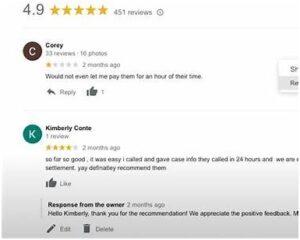
Fake reviews come in multiple forms:
✔ Fake Negative Reviews
These are the most damaging:
- “I had a terrible experience”
- “Scam business, avoid!”
- “They overcharged me”
Even when the person was never a customer.
Sources include:
- Competitors attacking you
- Bots scraping keywords
- Review farms
- Upset non-customers
- Ex-employees
- People with personal grudges
✔ Fake Positive Reviews
Often purchased by businesses (a violation of Google’s guidelines)
or left by bots pretending to be “happy customers.”
Google is cracking down hard, and penalties include:
- Review deletions
- Listing suspensions
- Long-term ranking drops
Why Fake Reviews Matter So Much
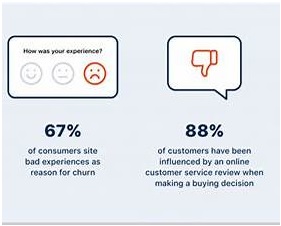
A single 1-star review can drop conversions by 5–9%.
A drop from 4.5 to 3.9 stars can destroy up to 30% of calls and website clicks.
Consumers trust local reviews as much as personal recommendations — often more.
This is why fake reviews are the #1 GBP attack vector in 2025.
2.2 Threat #2 — Competitor Attacks & Suggested Edits
Competitors can click “Suggest an Edit” and submit:
- New categories
- Wrong business hours
- Different address
- Different phone number
- “Business permanently closed”
Google often auto-approves these changes.
That means your GBP could suddenly show:
- You’re closed
- You moved
- You changed industries
- You no longer exist
All without your permission.
2.3 Threat #3 — GBP Hijacking
Hijacking is the most devastating GBP attack.
It happens when a bad actor:
- Requests ownership
- Gains unauthorized access
- Changes login email
- Redirects calls to a competitor
- Suspends your listing
- Replaces your website
- Removes your business entirely
This can cut off 90% of your inbound leads overnight.
Hijacking often happens through:
- Weak passwords
- No 2FA
- Shared logins
- Fake emails posing as Google
- Former employees still having access
Once hijacked, recovery takes weeks — sometimes months.
2.4 Threat #4 — User-Generated Photos or Videos That Harm Your Brand
Customers, competitors, or random people can upload:
- Unflattering photos
- Low-quality images
- Misrepresentative content
- Videos showing your business in a bad light
Unless actively monitored, these images can become the first impression.
2.5 Threat #5 — Google’s Auto-Updates Changing Your Info
Perhaps the most surprising:
Google frequently overwrites your data with information pulled from:
- Third-party directories
- Data brokers
- User suggestions
- Web crawls
- AI-driven inference
These auto-updates can:
- Replace your hours with old ones
- Update your address incorrectly
- Change your phone number
- Modify your categories
If you are not monitoring your GBP, you will not see these changes until you lose rankings.
2.6 Threat #6 — Listing Suspensions
GBP suspensions occur when Google flags your profile as:
- Inaccurate
- Manipulated
- Violating guidelines
- Potentially fraudulent
The problem?
Suspensions are common — and unpredictable.
Most suspensions come without explanation.
Recovery can take 10–40 days.
During this time, you vanish from Maps and Search.
A business relying heavily on GBP visibility can lose thousands of dollars instantly.
SECTION 3 — Real-World Consequences of Not Defending GBP
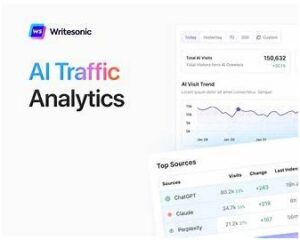

Here’s what actually happens when GBP issues go undetected.
These are real-world, measurable consequences.
3.1 Loss of Local Pack Rankings
The Local Pack (top 3 map listings) gets 70–80% of all local search clicks.
If your GBP has:
- Wrong categories
- Wrong hours
- Fake reviews
- Inconsistent info
- Low star average
You get pushed out of the Local Pack — often permanently.
Even a 1-star rating drop can reduce Map Pack visibility by 25–60%.
3.2 Massive Drop in Phone Calls & Direction Requests
GBP often generates:
- 60% of website visits
- 75% of direction requests
- 70% of mobile calls
- 40% of walk-ins for high-traffic businesses
If your GBP is compromised, calls can drop by 40–90% instantly.
Imagine a dentist, restaurant, or home service provider losing 50–100 calls per week.
This is the real-world cost of poor GBP defense.
3.3 Crippling Reputation Damage
Bad reviews — even fake ones — don’t just hurt ranking.
They:
- Scare off leads
- Reduce trust
- Drive customers to competitors
- Permanently change perception
Worse:
Most consumers don’t know reviews are fake.
They assume everything on Google is real.
Their decision is emotional, not investigative.
3.4 Lost Revenue & Customer Lifetime Value
Consider:
A chiropractor loses 20 new patients per month.
Each patient is worth $1,000 over a year.
That’s $20,000/month → $240,000/year lost.
All because of:
- 3 fake reviews
- Or a changed phone number
- Or a wrong primary category
- Or a hijacked listing
Businesses often don’t realize how fragile their visibility is — until it’s too late.
3.5 Competitors Benefit from Your Weakness
Every time:
- your reviews drop
- your info gets changed
- your listing gets suspended
…Google reroutes your traffic to your competitors.
They get the calls.
They get the clicks.
They get the customers.
They get the revenue.
Your weakness becomes their growth strategy.
This is why Proactive GBP Defense is not just protection — it’s a competitive advantage.
PART 2
- Section 4: Architecture of a Proactive GBP Defense System
- Deep visuals, workflows, diagrams
- Monitoring, access control, review systems, incident response
PART 3
- Step-by-step monthly, weekly, and daily GBP Defense SOPs
- Templates, checklists, workflows
PART 4
- Advanced strategies for 2025–2027
- Reputation engineering
- Local authority layering
- AI monitoring systems
- The complete conclusion
- Final image groups
Would you like me to continue with PART 2 now?

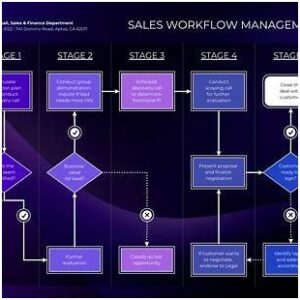
PART 2 — The Architecture of a Proactive GBP Defense System
In Part 1 we looked at why your Google Business Profile is so critical — and what can go wrong when it’s left unprotected.
Now we shift from “here’s the danger” to “here’s the system that protects you.”
Think of proactive GBP defense as building a security + reputation flywheel around your listing:
- Monitor everything in real time
- Detect threats early
- Respond fast and decisively
- Continuously improve your reputation signals
- Strengthen technical security and access control
Over time, this doesn’t just stop bad things from happening — it steadily compounds your visibility, trust, and revenue.
We’ll break the system into five pillars:
- Monitoring & Alerting
- Review Defense & Sentiment Strategy
- Access Control & Profile Hardening
- Incident Response & Recovery
- Reputation-Forward Content & Local Authority
4.1 Pillar One — Monitoring & Alerting
Goal: Nothing happens to your GBP without you knowing about it quickly.
What You Need to Monitor
You should have eyes on four categories of changes:
- Reviews & Q&A
- New reviews (positive, neutral, negative)
- Star rating trends
- Repeated keywords in complaints (e.g., “rude,” “late,” “overpriced”)
- Questions from users in the Q&A section
- Profile Data (NAP & Core Info)
- Business name
- Address
- Phone number
- Website URL
- Hours (regular and holiday)
- Categories & attributes
- User-Generated Content
- Customer-uploaded photos and videos
- Suggested edits from users
- Photos that misrepresent or damage your brand
- Account & Status Signals
- Suspicious ownership or manager requests
- Google emails about guideline violations or suspensions
- Messages from customers (if enabled)
- Visibility anomalies (sudden drop in calls, views, or actions)
Recommended Monitoring Cadence
You can structure monitoring by business size and sensitivity:
- High-dependency businesses (dentists, lawyers, med spas, home services):
- Daily: Reviews and star rating
- Daily: Critical info (hours, NAP, website)
- Weekly: Image/Q&A review
- Weekly: Access and role audit
- Moderate-dependency businesses (retail, restaurants, salons):
- Every 2–3 days: Reviews and info
- Weekly: Photos/Q&A + access
- Low-dependency businesses (B2B with light local search volume):
- Weekly: Reviews and info
- Monthly: Full audit + access review
How to Implement Monitoring (Tools + Process)
- Native Monitoring (No Tools)
- Log into your GBP regularly from the Google search interface.
- Turn on email notifications for reviews, Q&A, messages, and edits.
- Use a shared inbox or Slack channel where all GBP-related emails are forwarded.
- Automated Monitoring (Recommended)
Set up tools/workflows that send alerts when:
- Star rating changes
- New reviews contain certain keywords (e.g. “scam,” “fraud,” “lawsuit”)
- Your primary info (name, address, number, URL) is changed
- Your profile status changes (disabled, suspended, verification needed)
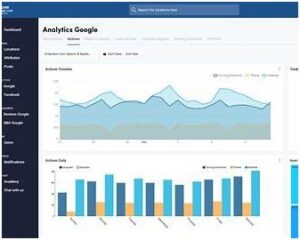
Many local SEO dashboards and GBP-management tools offer this type of monitoring. Some GBP reporting and dashboard tools visualize impressions, calls, and direction requests so you can spot sudden drops that might indicate a suspension or visibility issue.
Visual to Include
Image idea:
A monitoring dashboard mockup showing:
- Total views
- Calls
- Directions
- Reviews trend
- Alert panel: “New 1-star review,” “Phone number changed,” etc.
Caption suggestion: “Centralized GBP monitoring helps you catch issues before customers do.”
4.2 Pillar Two — Review Defense & Sentiment Strategy
Online reviews don’t just influence perception — they directly affect revenue and local rankings. Recent data shows that:
- 98% of consumers read online reviews for local businesses
- Around 85% trust online reviews as much as personal recommendations
- The majority say they won’t consider a business with an average rating under 3.5–4 stars
That means your review profile is too valuable to leave unattended.
We’ll break this into three layers:
- Defensive Layer — Protect against fakes & unfair attacks
- Service Recovery Layer — Turn genuine negative feedback into wins
- Offensive Layer — Generate a steady stream of real, positive reviews
4.2.1 Defensive Layer — Handling Fake or Malicious Reviews
Fake reviews often have telltale signs:
- No record of the reviewer as a customer
- Extremely vague or generic comments
- Many reviews posted in a short time window
- Similar language used across multiple profiles
- Geographic mismatch (reviewer from another country for a local business)
Step-by-Step Fake Review Defense Workflow
Step 1: Identify & Tag
When a review triggers suspicion:
- Tag it internally as “Suspected Fake”
- Take a screenshot (include date, reviewer name, and link)
- Check past records to confirm if they were a real customer
Step 2: Respond Publicly — Carefully
Even if you believe it’s fake, respond professionally:
“Hi [Name], we take all feedback seriously but we can’t find any record of you as a customer. We’d love to understand more — please contact us at [email/phone] so we can look into this.”
You’re signalling to future readers:
- You’re responsive
- You use systems
- You’re calm and professional
Step 3: Flag Within Google
Use the “Flag as inappropriate” option and choose the relevant reason (e.g., spam, conflict of interest). Google’s official help center encourages flagging content that violates policies or appears deceptive.
Step 4: Escalate When Needed
If there’s a wave of fake reviews or obvious abuse:
- Collect evidence (screenshots, CRM logs, timelines)
- Contact Google Business Profile support
- Consider involving a specialized reputation or GBP reinstatement service if it’s tied to a suspension or large-scale attack
4.2.2 Service Recovery Layer — Turning Legit Negatives into Assets
Not all bad reviews are fake. Some are real customers having real problems.
This is where service recovery becomes a superpower.
Framework: A.R.C. (Acknowledge, Repair, Continue)
- Acknowledge
- Thank them for feedback
- Validate their frustration
- Avoid defensiveness
- Repair
- Offer to fix the issue (refund, redo, discount, priority service, etc.)
- Move the conversation offline (phone/email)
- Continue
- After resolving, politely ask if they’d consider updating their review
- Use learnings to fix internal issues (staff training, process changes)
A well-managed negative review can increase trust more than a stream of generic 5-star reviews. People see that things sometimes go wrong — but you handle it with maturity.
4.2.3 Offensive Layer — Building a Review Generation Engine
To defend a castle, you don’t just build walls — you also fill it with loyal citizens.
A steady flow of real, detailed positive reviews:
- Drowns out isolated negatives
- Offsets occasional fakes
- Feeds Google’s local ranking signals
- Converts research-stage prospects
Where to Ask for Reviews
- After a successful appointment (email/text)
- At checkout (QR code on receipts or signage)
- In follow-up emails
- Via account managers for B2B-style relationships
Tips That Increase Review Volume & Quality
- Make it extremely easy (direct review link or QR)
- Ask specific questions:
“If you had a good experience, would you mention the staff member who helped you and how we solved your problem?”
- Avoid incentives that violate Google’s review policies (e.g., paying for reviews)
Visuals to Include
- Flowchart: “Review Enters → Is It Fake? → Defensive path vs Service Recovery path”
- Bar Chart: Showing how conversion rate improves as average rating moves from 3.5 to 4.0 to 4.5+
- Screenshot Mockups: Example of a calm, professional response to a harsh review
4.3 Pillar Three — Access Control & Profile Hardening
Now we move into technical security — preventing hijacks, accidental damage, and high-risk edits.
Statistically, many GBP suspensions and hijacks happen due to:
- Weak or shared passwords
- Unverified locations or mismatched addresses
- Suspicious editing behaviour or keyword-stuffed business names
4.3.1 Lock Down Your Primary Google Account
- Use a unique, strong password (password manager recommended)
- Turn on two-factor authentication (2FA)
- Avoid using personal Gmail accounts shared with multiple staff
- Use a dedicated business Google account for GBP ownership
4.3.2 Define Clear Roles
GBP has different access levels:
- Primary owner
- Owner
- Manager
Best practices:
- One primary owner (business or founder email)
- 1–3 owners (marketing lead, agency, IT)
- Managers for day-to-day posts, responding to reviews, etc.
Do not:
- Give ownership to random freelancers
- Leave access for ex-employees or old agencies
- Share a single login among multiple people
4.3.3 Quarterly Access Audit
Every quarter:
- Export or note all users with access
- Remove anyone no longer active
- Ensure your primary owner email is still secure and controlled internally
- Verify no unknown email addresses have crept in
4.3.4 Hardening Your Profile Data
Google’s systems flag suspicious behaviour such as:
- Changing business name frequently
- Adding keyword-stuffed names (e.g., “Smith Plumbing – Best Plumber in Detroit Cheap 24/7”)
- Switching categories back and forth
- Moving from Service Area Business to Storefront (or vice versa) repeatedly
Hardening Checklist
- Use your legally accurate business name (avoid keyword stuffing)
- Use a real, verifiable address
- Upload clear photos of your storefront and signage
- Use accurate main category (not spammy or misaligned)
- Maintain consistent NAP (name, address, phone) across all major directories
This reduces the risk of:
- Being flagged as spam
- Being suspended without warning
- Having your data overwritten by “more trusted sources”
Visuals to Include
- Diagram: Concentric circles — core Google account at center, roles/permissions in middle ring, monitoring & processes on outer ring
- Screenshot: GBP user access screen with roles annotated and labelled
4.4 Pillar Four — Incident Response & Recovery
No matter how well you defend, things can still go wrong:
- A string of malicious fake reviews
- An unexpected profile suspension
- A hijack attempt
- A major inaccuracy introduced by someone or something
If you prepare before the incident, you minimize downtime and damage.
We’ll build a GBP Incident Response Playbook with four stages:
- Detect
- Stabilize
- Fix
- Strengthen
4.4.1 Stage 1 — Detect
You detect an issue when:
- Your phone stops ringing
- You see a “suspended” or “disabled” notice
- New fake 1-star reviews appear
- Your business drops off Maps overnight
This is where that monitoring from Pillar One pays off.
4.4.2 Stage 2 — Stabilize (First 24–48 Hours)
Your goal: Stop the bleeding.
Scenario A: Fake Review Attack
- Identify clusters of suspicious reviews
- Tag, screenshot, and document them
- Flag within GBP
- Post calm, professional responses
- Notify internal leadership or your marketing partner
Scenario B: Wrong Info / Category Change
- Log into GBP and correct:
- Hours
- Phone
- Address
- Website
- Primary category
- Take screenshots of before/after if possible
- If changes keep reverting, investigate whether Google is auto-updating based on conflicting data. In that case, fix your NAP consistency across directories and citation sources as well.
Scenario C: Profile Suspension
Google may show “suspended” or “disabled” in your dashboard or email you. Reasons often include:
- Suspected spam or keyword stuffing
- Address issues (PO boxes, virtual offices)
- Misleading categories
- Policy violations, including review manipulation
Immediate steps:
- Stop making random edits (over-editing can make it worse).
- Review Google’s guidelines line by line.
- Identify obvious violations (address, name, categories, fake reviews, etc.).
- Collect documentation proving legitimacy:
- Utility bills
- Business license
- Storefront photos with signage
- Office interior photos
4.4.3 Stage 3 — Fix
For Suspensions
Follow this general flow (always cross-check with most recent Google help docs):
- Correct any violations on your GBP listing.
- Prepare your evidence bundle (photos, documents).
- Submit the official reinstatement request form.
- Include a clear, honest explanation of what you changed and why.
Guides from Google and industry specialists emphasize:
- Be factual, not emotional
- Don’t spam multiple appeals
- Provide as much legitimate proof as possible
For Review Attacks
- Continue flagging and documenting
- If damage is severe, seek reputation management or legal guidance
- Increase review-generation efforts from real customers to offset the attack
For Hijacks
- Use Google’s “claim this business” or “request ownership” link
- Provide verification proofs
- If necessary, escalate through support channels and community forums
4.4.4 Stage 4 — Strengthen (Post-Incident)
Once you’re reinstated or stabilized:
- Document what happened
- Update your internal SOPs
- Tighten access control (who has editing rights)
- Improve monitoring (alerts, dashboards, check-in cadence)
- Run a “reputation sprint” to get fresh, positive reviews and content live
This is crucial:
A suspension that happened once is more likely to happen again if nothing changes.
Visuals to Include
- Workflow Diagram:
- Detect → Stabilize → Fix → Strengthen
- Timeline Graphic:
- Day 0: Detection
- Day 1–2: Stabilization
- Day 3–10: Appeal & fix
- Day 10+: Rebuild & strengthen
4.5 Pillar Five — Reputation-Forward Content & Local Authority
Everything so far has focused on defense.
Now we connect GBP defense to your growth engine: content, brand, and authority.
Because Google doesn’t just look at your GBP in isolation. It cross-references:
- Your website
- Local citations
- Articles, blogs, PR
- Social signals
- Engagement metrics
Businesses with a strong overall reputation and content footprint have:
- Easier suspension recoveries
- Higher rankings
- More forgiving audiences when something goes wrong
4.5.1 Content That Reinforces Your GBP
Types of content that directly support your GBP defense:
- Location Pages on Your Website
- Clear NAP matching GBP
- Embedded map
- Photos of location, team, premises
- Schema markup for LocalBusiness or appropriate subtype
- Service & Product Pages
- Matching categories and services from GBP
- FAQs that address common review complaints (“Do you accept walk-ins?” “What’s your cancellation policy?”)
- Blog Content Around Local Topics
Examples:
- “How to Choose the Right Dentist in [City]”
- “What to Expect During Your First [Service] Visit in [City]”
- “Local Guide: Best Family Activities Near [Neighborhood]”
This positions you as a local authority, not just a listing.
4.5.2 Leveraging GBP Posts
GBP allows you to publish posts (like mini social updates):
- Promotions
- Events
- Announcements
- FAQs
- Seasonal updates
These:
- Show Google your business is active
- Give customers up-to-date info
- Offer more context when they see your profile
You can create a monthly posting calendar that aligns with:
- Seasonal offers
- New services
- Reviews you want to highlight
- Community involvement
4.5.3 Building Social Proof Layers
Reviews are one form of social proof.
You can layer more:
- Video testimonials (embed on site, share via posts and social)
- Case studies on your website
- “Featured in” logos (local news, blogs, industry sites)
- Awards and certifications badges
When Google sees consistent signals across platforms, and users see consistent proof of quality, your GBP becomes much harder to discredit.